Why a Venice Heat Wave Hits Differently Than a Regular Warm Day
Most of the year, a Venice air conditioner has an easy job. Marine layer mornings keep the house cool without much help, afternoons warm up gradually, and the system cycles on and off in short, manageable bursts. A heat wave breaks that pattern entirely. Once the marine layer fails to form or burns off early and pushes real heat toward the coast, the system that has been coasting through short cycles all season suddenly has to run long and hard, sometimes for the first time in months. Understanding why that transition is hard on equipment explains almost everything about how to prepare for it.
The Short Cycle to Long Cycle Problem
Why Short Cycling Doesn't Reveal Problems
A system running short, easy cycles for weeks at a time can hide a lot. A slightly weak capacitor still has enough strength to start the compressor on an easy load. A refrigerant charge that has drifted a little low still cools a room adequately when the outdoor temperature is mild. None of these marginal issues show themselves under light demand.
Why Long Cycling Exposes Them
A heat wave asks the system to run continuously for hours, sometimes most of a day, against a much bigger temperature difference between inside and outside. That sustained demand is exactly what exposes a weak capacitor, a struggling compressor, or a refrigerant charge that was already borderline. The failure does not happen because the heat wave broke something new, it happens because the heat wave finally asked enough of a component that was already compromised.
What Changes in the Days Before a Forecasted Heat Spell
Pay Attention to Small Changes
If you notice the system running longer than it used to, cycling more frequently, or the house taking noticeably longer to reach the thermostat setting even before the forecast turns hot, that is worth a call rather than something to watch and wait on. These small signs often show up a day or two before a heat spell actually arrives, because rising afternoon temperatures in the lead-up already start stressing a marginal system.
Clear the Outdoor Unit
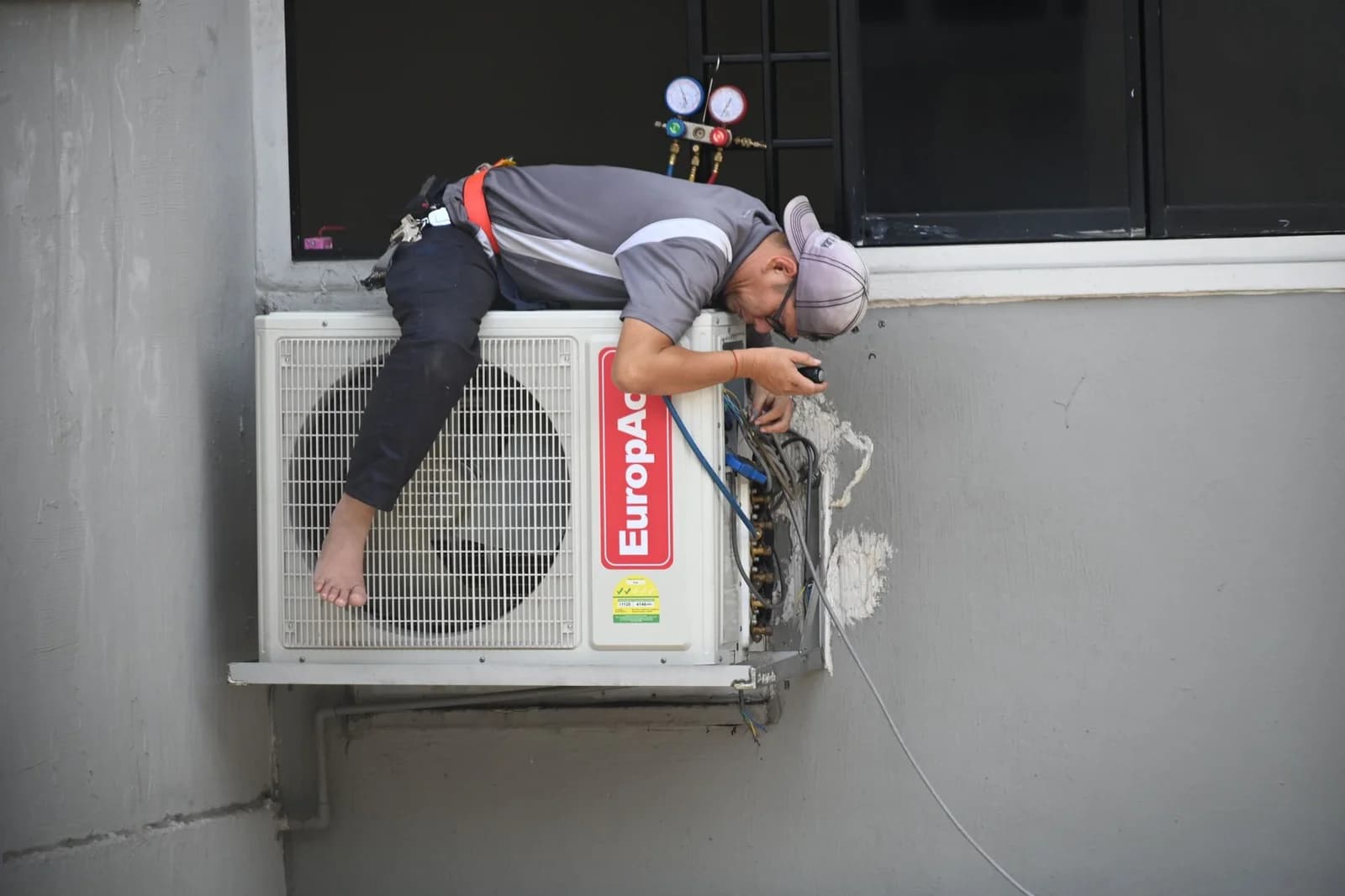
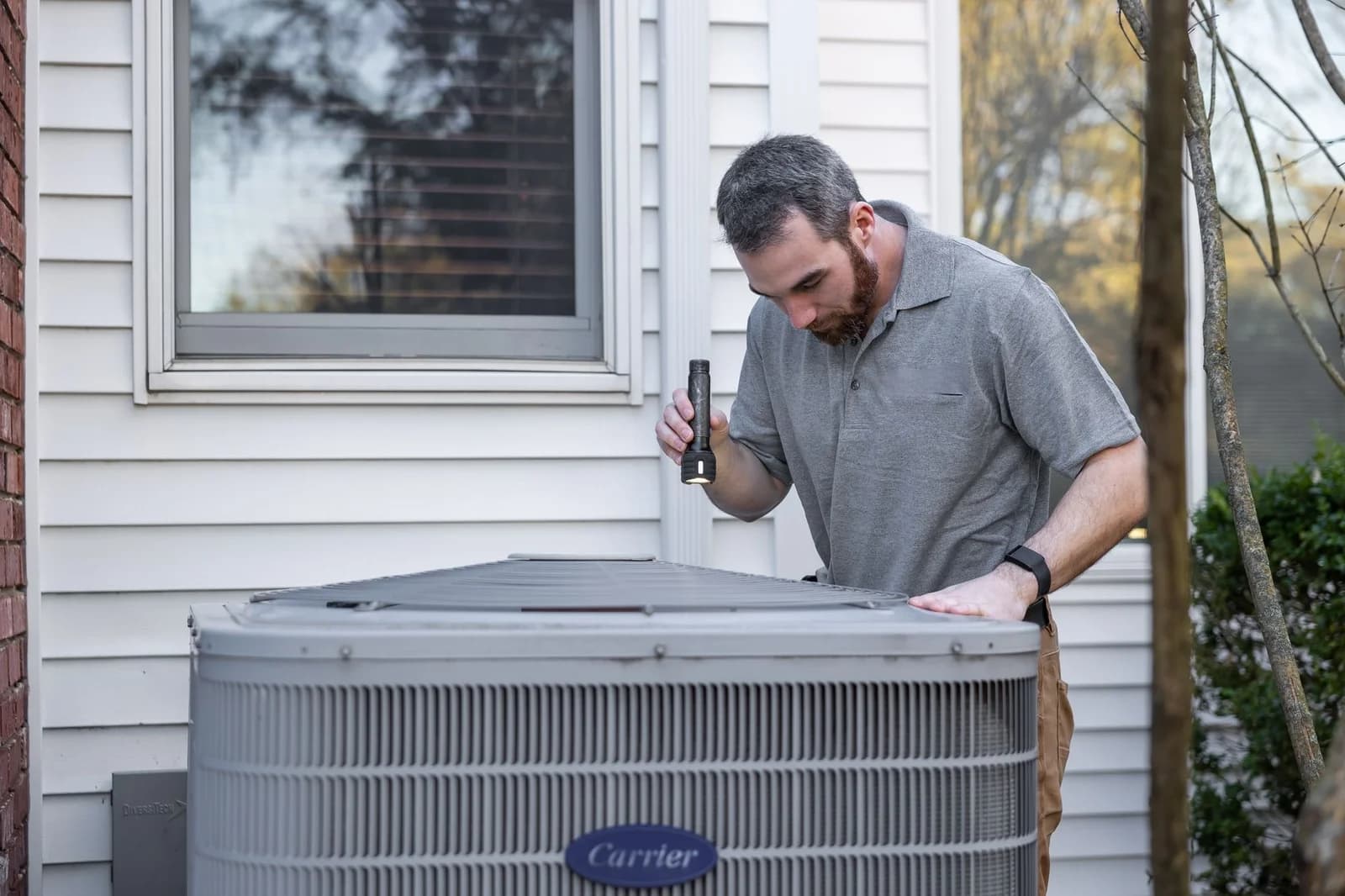
Airflow around the outdoor condenser matters more when the system is working hard. Leaves, palm fronds, and general yard debris that would barely matter during a mild week can meaningfully restrict airflow right when the unit needs it most. A quick check to clear anything blocking the unit is worth doing before a forecasted spike, not after the system is already struggling.
Check the Filter
A dirty filter restricts airflow through the whole system, and that restriction becomes a much bigger problem when the system is already working at its limit during sustained heat. If it has been more than a couple of months since the filter was changed, do it before the heat spell rather than during it.
What Happens If a System Fails During a Heat Wave
Why Response Times Stretch
A heat wave does not affect one household, it affects the entire Westside at once, which means every HVAC company gets a surge of calls in the same narrow window. Systems that were already marginal fail at roughly the same time, because they are all facing the same sudden jump in demand. That is simply how sustained heat interacts with equipment that has been running easy cycles for months, and it means response times during a heat spell are the longest of the year, through no fault of any particular company.
Why This Rewards Early Readiness
A homeowner who called about a struggling system a day or two before the heat spell hit, or who had a pre-summer tune-up months earlier, is in a very different position than one calling for the first time once the house is already uncomfortably warm. Getting ahead of the surge, even by a day, often means the difference between a same-day visit and a multi-day wait.
What Actually Helps During the Heat Itself
Set a Reasonable Target, Not an Aggressive One
Pushing the thermostat several degrees lower than normal during a heat wave asks the system to work even harder against an already difficult load, which increases the chance of a component failing under strain. A more moderate setpoint gets the house comfortable without pushing equipment to its absolute limit during the exact window when a failure is hardest to get fixed quickly.
Reduce Solar Load During Peak Hours
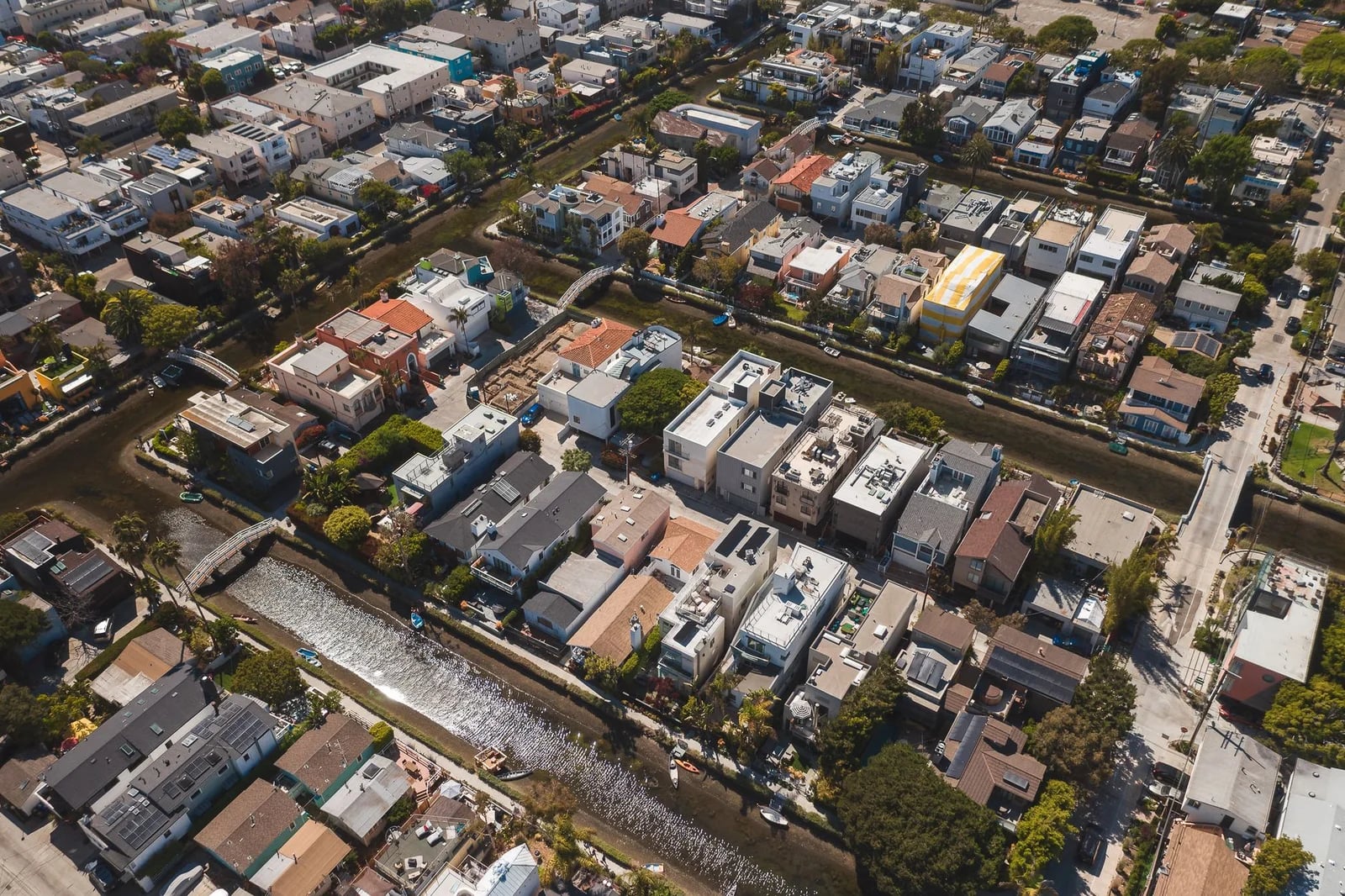
Closing blinds and reducing how much heat actually enters the house during the hottest part of the day takes real load off the system. This matters more in west-facing Venice properties that catch direct afternoon sun, where solar heat gain during a spike can rival what the system is actually fighting outdoors.
Do Not Ignore Unusual Noises or Smells
A system straining under heavy load sometimes makes noises it does not make during normal operation, a new rattle, a harder startup sound, or a burning smell from the electrical components. These are not things to wait out until the heat wave passes. A component failing under strain during heavy use is exactly the kind of failure that benefits from being caught early rather than pushed further.
After the Heat Wave Passes
Note What Happened, Even If Nothing Failed
If the system ran rough during the spike but recovered fine once temperatures dropped, that is worth remembering rather than forgetting the moment the house feels comfortable again. A system that struggled under sustained heat and then went quiet again often has an underlying issue that a light inspection during easy weather will not necessarily catch. Bringing that history to your next scheduled visit gives a technician somewhere specific to look.
Why Readiness Is a Habit, Not a One-Time Task
It is tempting to treat heat wave readiness as something you handle once, check the box, and move on from. In practice it works better as a habit you fall into every time a warm stretch shows up in the forecast, because each heat spell is a little different and a system's condition changes over the course of a season too. A unit that sailed through an early spike without issue can still be worn down enough by a second or third one that it struggles later in the year, especially if the spikes come close together and the system never gets a real chance to rest between them. Checking in on the outdoor unit, the filter, and how the system sounds each time a spike is forecasted, rather than only the first time, catches problems that a single early check would miss entirely.
Talking to Tenants and Family Members About the Signs
If you are not the only person in the house paying attention to the AC, whether that is family members, roommates, or tenants in a rental property, it helps to give them a short list of what to listen for: longer run times than usual, new noises, or a house that stays warm longer than it should even with the system running. A homeowner who lives elsewhere and manages a Venice rental is often the last to know when a system starts struggling during a spike, simply because nobody on site knows what to flag. A quick heads up before the season starts closes that gap.
Prepare Before the Forecast Turns, Not After
Heat waves in Venice arrive fast and put a very different kind of demand on equipment that has spent most of the year coasting through mild marine layer weather. If your system struggled during the last spike, or you want it checked before the next one hits, call Venice Breeze HVAC at (877) 359-5942. We serve Venice, Mar Vista, Marina del Rey, Santa Monica, and Culver City, and getting ahead of a heat spell is always easier than catching up during one.
Need Professional HVAC Service?
Our HVAC-experienced technicians are ready to help with all your AC and heating needs. Contact Venice Breeze HVAC today for expert service throughout the the Westside beach communities service area.