The Mistake Mild Winters Encourage
Homeowners who move to Venice from a colder climate often assume heating barely matters here, and in a narrow sense they are right, the thermostat rarely gets pushed hard. But that assumption leads to a real mistake: skipping heating maintenance entirely because the system never seems to be working very hard. A furnace or heat pump that only runs in short bursts on cool marine layer mornings still needs the same attention as one running constantly through a harsh winter, and because it is not being asked to prove itself the way it would somewhere colder, a developing problem can go unnoticed for a long time.
Why Fall Is the Right Window Here
Before the Marine Layer Sets In
Venice mornings turn cool and damp under marine layer conditions well before what most people think of as winter, often starting in fall and continuing through spring. Scheduling heating maintenance in fall, before that pattern really sets in, means any issue gets caught while the system is still running easy, occasional cycles rather than during the stretch of the year when you actually rely on it every morning.
Avoiding the Deep Winter Rush
While Venice never sees the kind of heating emergency volume that colder cities do, there is still a predictable increase in calls once the marine layer mornings become a daily pattern rather than an occasional one. Scheduling in fall, ahead of that shift, means easier appointment availability and no pressure working against a proper inspection.
What a Fall Heating Visit Actually Covers
Heat Exchanger Inspection
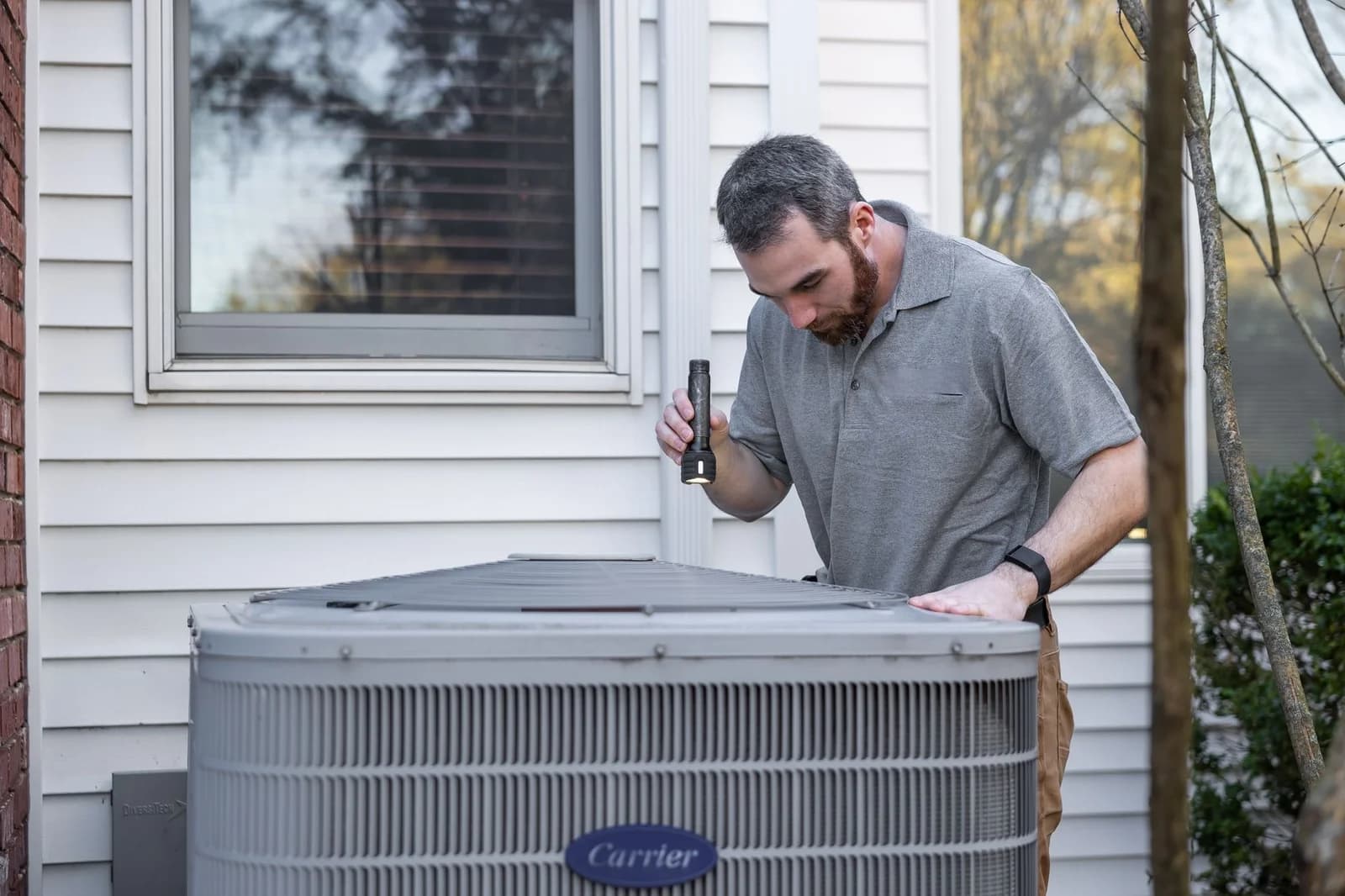
For gas furnaces, we inspect the heat exchanger for cracks, using a camera where access allows. This matters more than almost anything else on the list, because a cracked heat exchanger is a genuine safety issue tied to carbon monoxide, not just an efficiency concern, and it is one of the few findings that needs immediate attention rather than a wait and see approach.
Burner and Igniter Condition
We clean burners and check the igniter, since a weak or failing igniter is one of the more common reasons a furnace fails to start reliably on a cold morning. Catching a weakening igniter in fall means replacing it on your schedule instead of discovering it does not work on the exact morning you need heat.
Carbon Monoxide Detector Test
We verify the carbon monoxide detector is functioning as part of every heating visit. This is a quick check, but it is not one to skip, since it is the backup system that matters most if something else on this list ever fails silently.
Thermostat Calibration
A thermostat reading even a few degrees off means the system is working against a target that does not match how the house actually feels, which wastes energy and adds unnecessary cycles over the course of the season.
Heat Pump Specific Checks
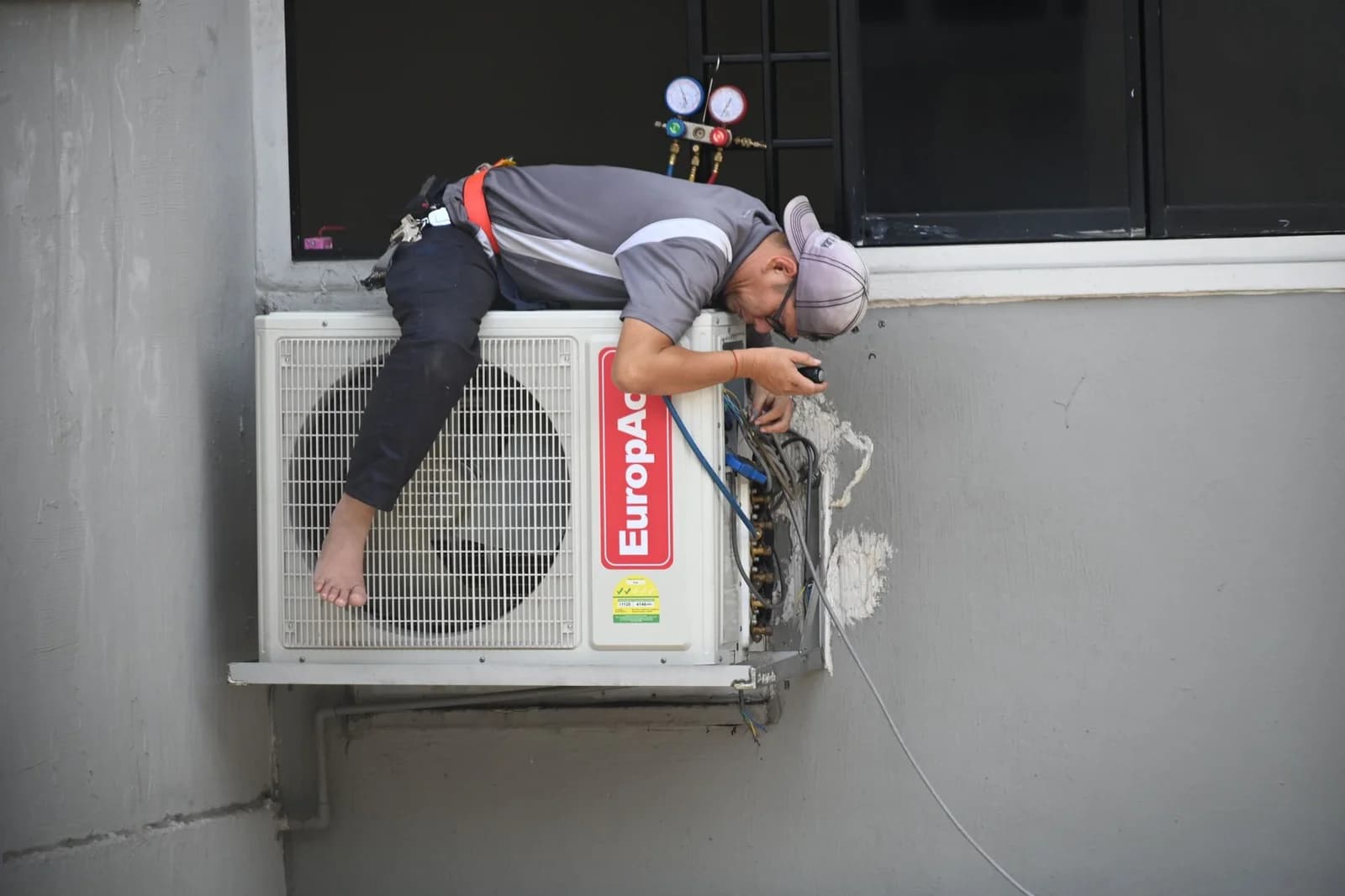
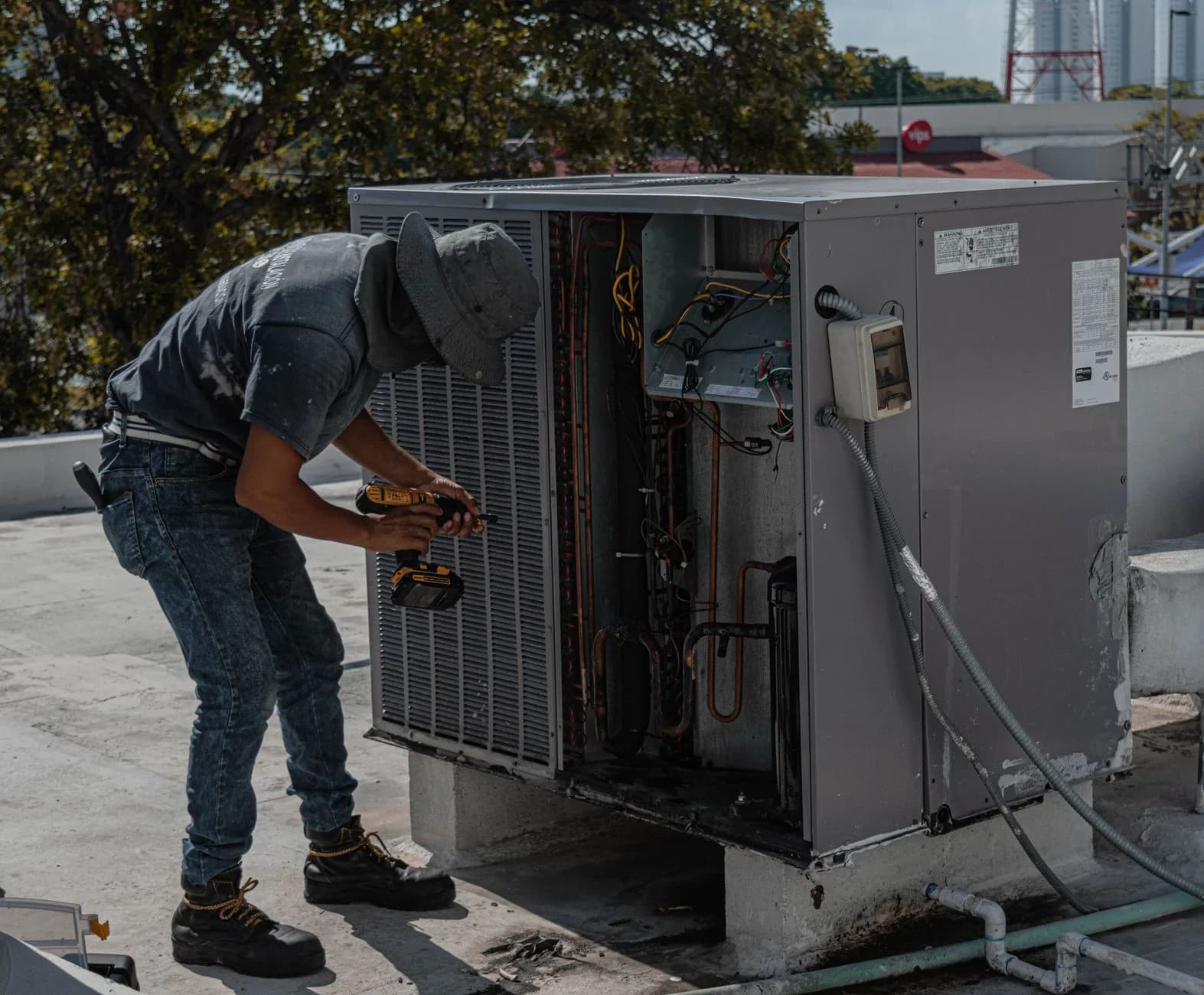
For heat pumps, which run year round rather than sitting idle outside of a cooling season, we check refrigerant charge and coil condition with the same attention we would give an AC system in spring. Coastal salt air does not pause for the season, and a heat pump's outdoor unit faces the same corrosion risk in winter as it does in summer.
Why Short Cycles Hide Problems Longer Here
The Core Issue
Because a Venice heating system typically runs in short bursts rather than long continuous cycles the way it would in a harsher climate, a developing problem, a weak igniter, a slowly failing capacitor, a heat exchanger starting to show early wear, can go unnoticed for a long stretch simply because the system is never asked to prove itself under sustained demand.
Why That Makes Fall Maintenance More Important, Not Less
In a colder climate, a struggling heating system tends to reveal itself relatively quickly because it runs constantly. Here, the opposite is true: mild use means marginal problems can persist quietly for a full season or more before finally causing a failure, usually on the coldest, dampest morning of the year, which also tends to be the morning you most want the system to work without issue.
Building the Rest of the Season Around a Fall Check
Set a Smart Thermostat Schedule for the Marine Layer Pattern
Venice mornings run cold and damp under marine layer conditions for a good part of the year, while afternoons warm up considerably once it burns off. A schedule that brings on a brief heating cycle for early morning, then backs off as the day warms, matches this pattern far better than a single constant setpoint held all day.
Zone Additions and ADUs Separately If You Have Them
An ADU or a converted garage heated off the same system as the main house rarely performs well, since the two spaces have different loads and different usage patterns. A separate system for that space, sized correctly for its own footprint, avoids overheating or underheating one part of the property to satisfy a thermostat somewhere else.
Keep Filters Clean Through the Season
A dirty filter restricts airflow and forces the system to work harder for the same output, whether it is a gas furnace or a heat pump. This is the one piece of maintenance that does not need a technician, just a reminder to check it periodically through fall and winter.
What Happens If You Skip the Fall Check Entirely
Skipping heating maintenance because the system seems fine does not actually mean the system is fine, it usually means nothing has forced it to reveal a problem yet. The most common outcome we see is a homeowner calling about a furnace that will not start on a genuinely cold, damp morning, exactly the kind of morning where waiting for a repair is most uncomfortable. A fall visit is the difference between finding that problem calmly, early, and finding it in the middle of the coldest stretch, at the worst possible moment.
What Homeowners Can Check Between Visits
A fall visit from a technician does not mean there is nothing left for a homeowner to keep an eye on for the rest of the season. Listening for the system when it kicks on in the morning is a simple habit worth building, a furnace that used to start quietly and now takes a moment longer or makes a new sound on startup is telling you something before it fails outright. The same goes for a heat pump's outdoor unit, if it looks like it is struggling to start, cycling oddly, or making noise it did not make earlier in the season, that is worth mentioning at your next visit even if it seems to sort itself out. None of this requires technical knowledge, just a bit of attention on the mornings the system actually runs, since those are the moments a developing problem is most likely to show itself in a mild climate where the system otherwise gets an easy ride most of the year.
Why This Habit Matters More the Older the System Gets
An older furnace or heat pump does not fail gradually and predictably the way people sometimes expect. It tends to run acceptably for a long stretch and then decline quickly once a key component finally gives out, which is part of why paying attention between scheduled visits matters more as equipment ages. A system in its first few years rarely needs this kind of watching. A system well past the midpoint of its expected service life benefits from it considerably, since catching an early warning sign gives you the choice between a planned repair and an unplanned one on the coldest, dampest morning of the year.
Schedule Before the Pattern Sets In
If it has been a while since your heating system was actually checked rather than just assumed to be fine, call Venice Breeze HVAC at (877) 359-5942 to get on the schedule before marine layer mornings become a daily habit. We serve Venice, Mar Vista, Marina del Rey, Santa Monica, and Culver City.
Need Professional HVAC Service?
Our HVAC-experienced technicians are ready to help with all your AC and heating needs. Contact Venice Breeze HVAC today for expert service throughout the the Westside beach communities service area.