
Why Timing Matters More Than the Repair Itself
Most Venice homeowners think about their air conditioner exactly once a year, on the first genuinely warm afternoon when the house won't cool down and the thermostat keeps climbing. By then every technician on the Westside is already booked, parts that would normally arrive the same day take longer, and a homeowner who could have paid for a tune-up now pays for an emergency repair instead. None of that is really about bad luck. It is about timing, and once you understand why HVAC work follows a predictable seasonal rhythm here, you can plan around it instead of reacting to it.
This guide lays out a simple calendar built around our specific climate, the marine layer that keeps mornings cool and damp well into what other places call summer, and the sudden heat spikes that follow when that layer burns off inland and pushes warm air back toward the coast. Each season has a task that actually matters, and doing it at the right time is worth more than doing it perfectly at the wrong time.
Why Venice's Climate Creates a Different Calendar Than Inland Neighborhoods
A house further inland deals with steady heat for months at a stretch, so its AC calendar is simple: get ready in spring, run hard all summer, rest in fall. Venice does not work that way. The marine layer means cool, humid mornings can persist into what should be peak cooling season, then a single hot spell, sometimes lasting only a few days, pushes every system on the block to its limit at once. That pattern rewards homeowners who prepare before the heat arrives rather than during it, because once a heat spike starts, availability disappears fast and equipment that was already borderline tends to fail under the sudden load.
Late Winter and Early Spring: The Planning Window
What This Season Is For
January through March is when almost nobody is thinking about their air conditioner, which is exactly why it is the best time to think about yours. Call volume is low, technicians have real availability, and if your system needs a part ordered or a larger repair scheduled, there is no rush working against you.
What to Actually Do
If you are unsure whether your equipment will make it through another cooling season, this is the window to have someone look at it honestly rather than guess. Ask about the age of your condenser, whether the coil shows any coastal corrosion, and whether the refrigerant charge has needed topping off in past years. If replacement makes more sense than repair, ordering equipment now means it arrives and gets installed before demand climbs, not during a heat spell when everyone else is also trying to replace a failed unit.
Why Waiting Costs You Here Specifically
A condenser near the Venice Canals or within a mile of the beach corrodes differently than one further inland, and salt exposure does not pause for the calendar. A coil that looked fine in October can show meaningfully more pitting by March. Catching that early, while there is no pressure to fix it in a single visit, gives you options that disappear once summer arrives and everyone wants the same appointment slot.
Pre-Summer: The Tune-Up Window That Actually Matters
What This Season Is For
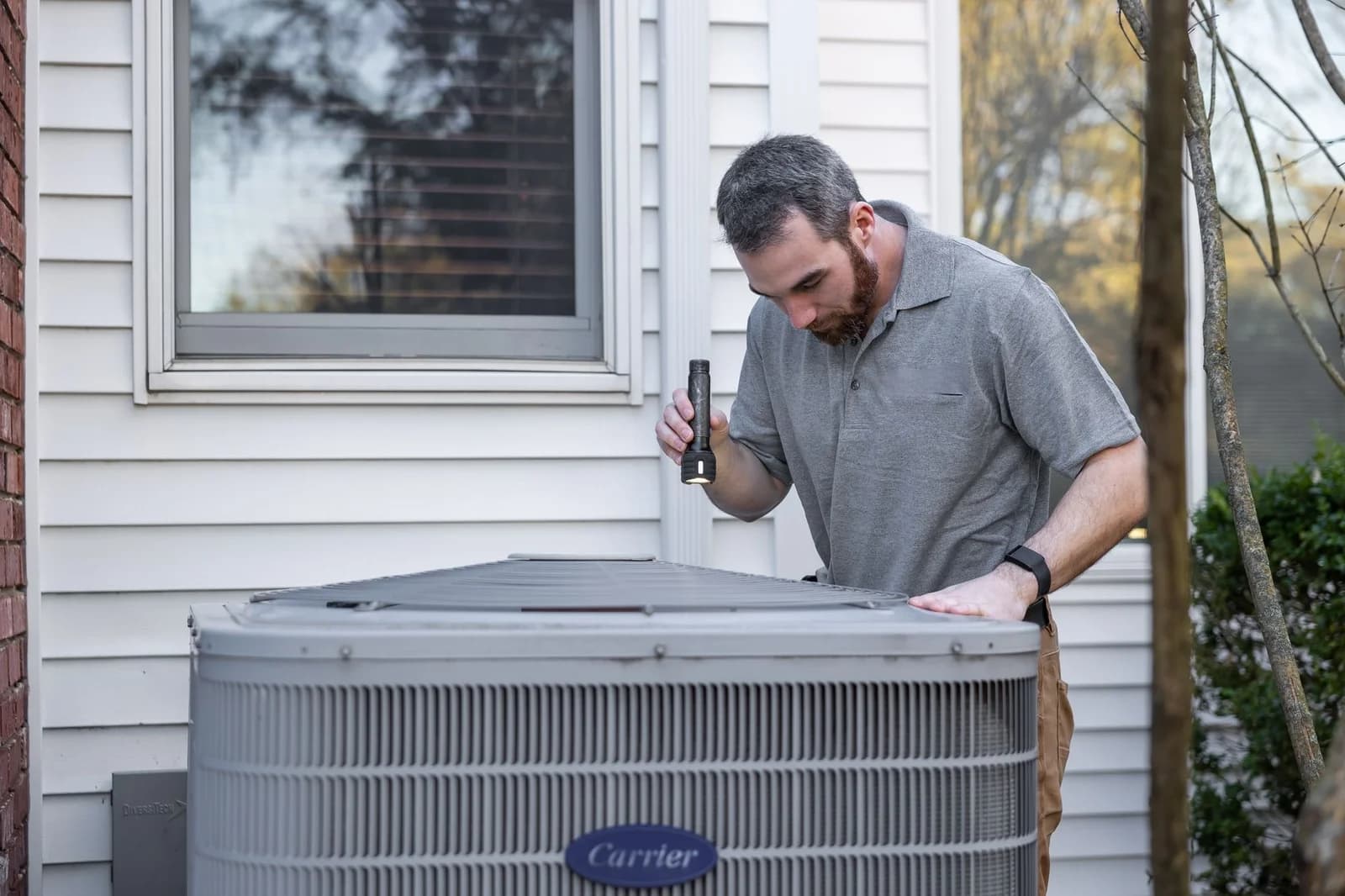
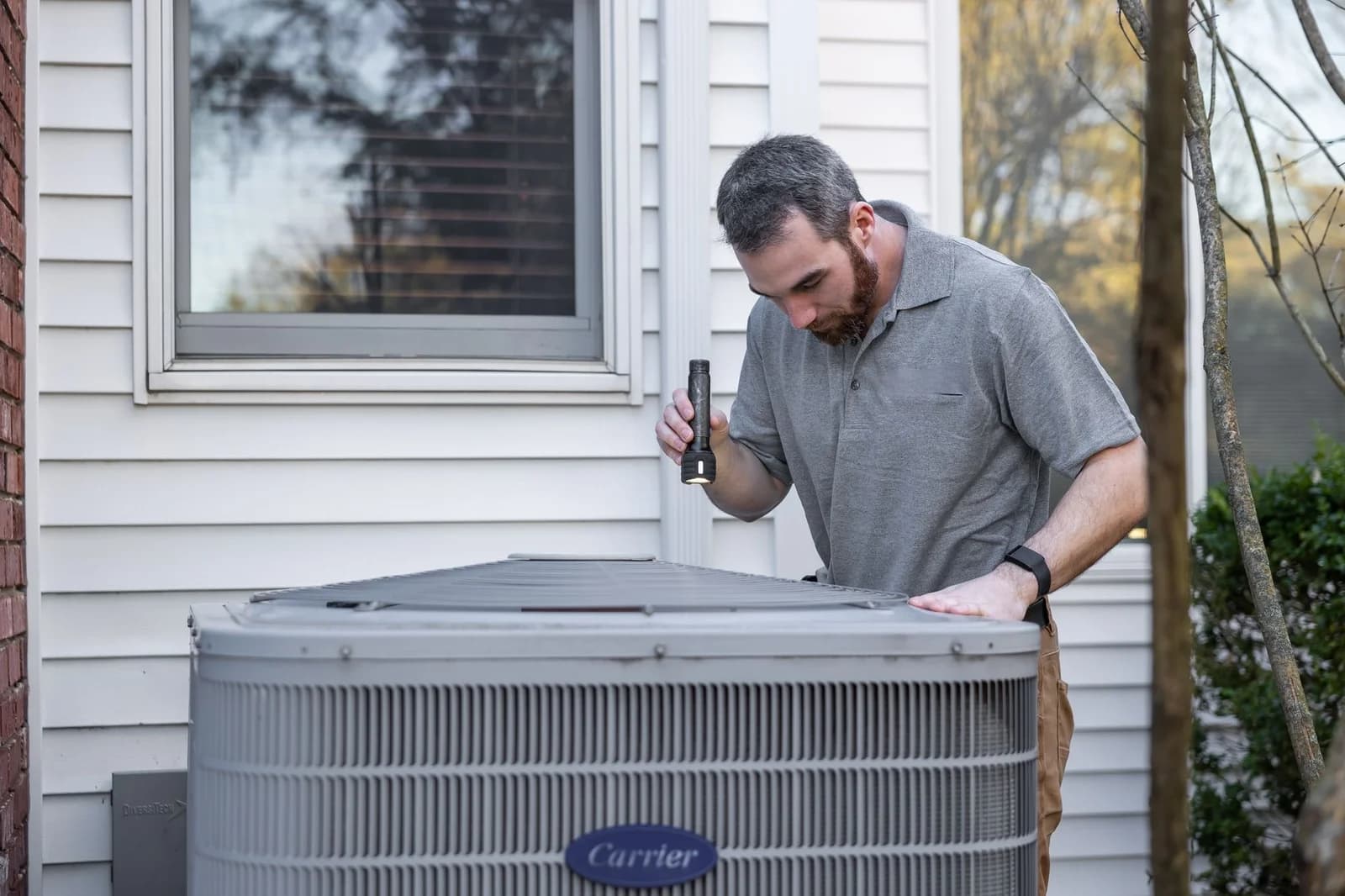
Spring is the single most useful stretch of the year to schedule a real tune-up, not a quick filter swap, but a full check of refrigerant charge, electrical connections, coil condition, and airflow. The goal is simple: find anything that is marginal now, while there is time to fix it calmly, instead of finding out the hard way on the first hot afternoon.
Why This Specific Window
A tune-up done in spring tells you the truth about your system before it has been asked to do anything difficult. A capacitor that is weakening, a contactor showing early corrosion, a refrigerant charge that has drifted low, all of these show up on a gauge or a meter reading well before they show up as a system that will not turn on. Doing this work before summer means a small fix stays small. Doing the same inspection after a system has already been pushed hard often means discovering a problem at the same moment it becomes an emergency.
What We Actually Check
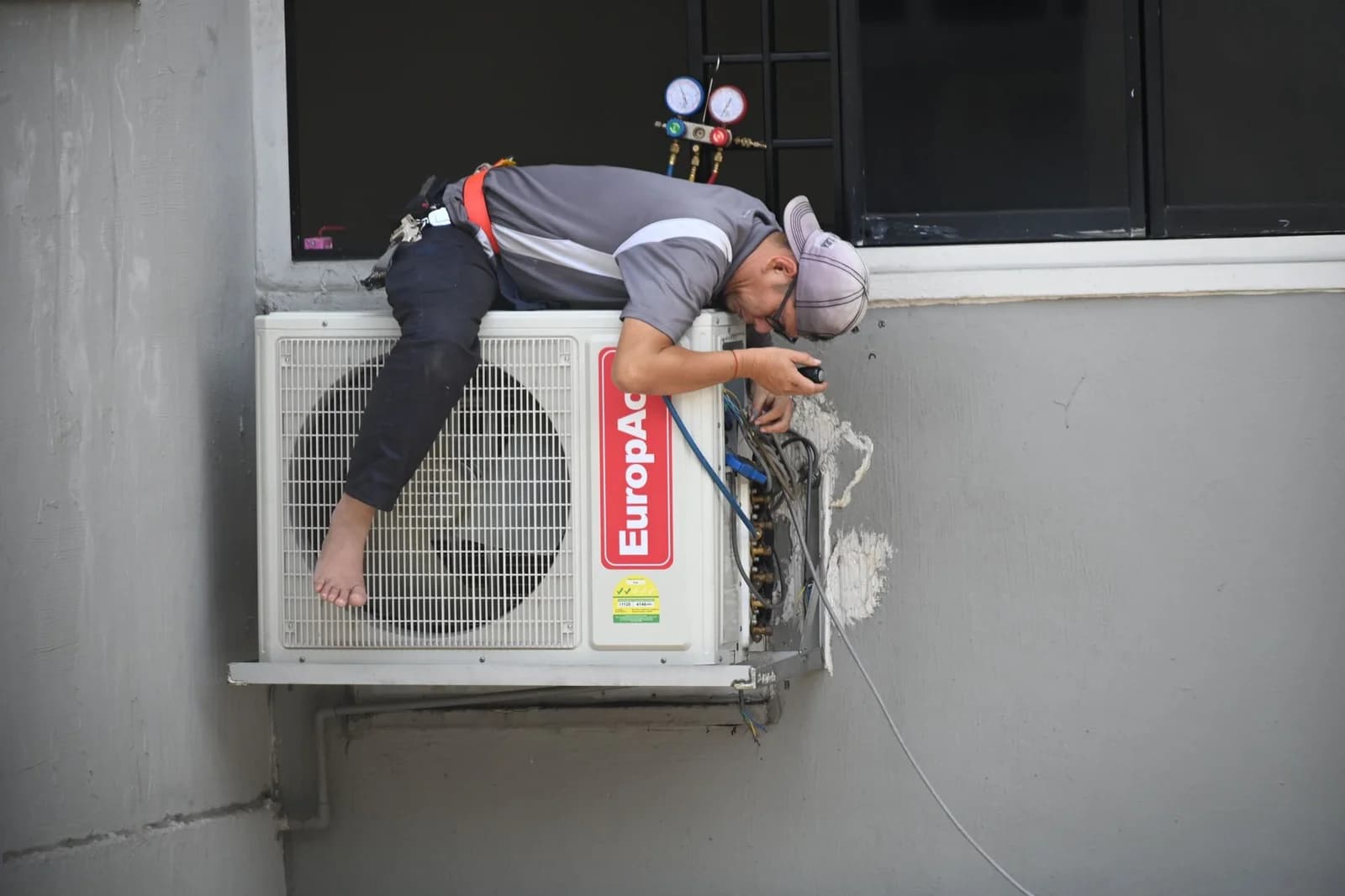
We test refrigerant pressure against the specification for your equipment, inspect coil fins for the kind of salt buildup and early corrosion that shows up faster this close to the coast, check every electrical connection in the disconnect box and control panel for looseness or corrosion, confirm the condensate drain flows freely, and verify the thermostat is calibrated correctly. None of this is complicated work, but doing it before the season starts is what makes it useful.
Heat Wave Readiness: What Changes When the Forecast Turns
Why a Heat Wave Is Different From a Warm Day
Venice does not get sustained extreme heat the way inland Los Angeles does, but when a heat spike does arrive, often after weeks of mild marine layer mornings, it asks more of a system than it has had to give in months. A unit that has been running short, easy cycles suddenly has to run long and hard, and that is exactly when a marginal component fails. This is also when every other homeowner on the Westside is calling at once, so response times stretch and same-day service becomes harder to get.
What Readiness Actually Looks Like
If you had a pre-summer tune-up, readiness mostly means paying attention: keep the outdoor unit clear of anything blocking airflow, change the filter if it has been more than a couple of months, and do not wait to call if you notice the system running longer than usual or struggling to hit the thermostat setting even a day or two before a forecasted heat spell. Catching a weakening system before the heat wave itself hits gives a technician room to work. Waiting until the house is already uncomfortably warm inside puts you in the same queue as everyone else who also waited.
A Note on Short Cycling During a Spike
During a sudden heat spike, some homeowners notice their system turning on and off more frequently than usual. Sometimes that is simply the thermostat responding to a bigger temperature swing than normal. Other times it is a sign the system is struggling to keep up and shutting off on a safety control before it overheats. If you cannot tell the difference, that is a reason to call rather than assume it will sort itself out once the weather cools back down.
Late Summer Into Fall: The Quiet Check Before You Forget
What This Season Is For
Once the heat spikes taper off, most homeowners stop thinking about their AC entirely, which is understandable but leaves one useful task undone. A quick check in late summer or early fall, before you switch your attention to heating, is a good time to note anything that struggled during the season so it does not get forgotten by the time next spring's tune-up window comes around.
Why This Step Gets Skipped
There is no urgency attached to it, nothing is broken right now, so it is easy to let it slide. But a system that ran rough during a heat spike and then quietly went back to normal once temperatures dropped often has an underlying issue that will resurface, usually at the worst possible time next year. Flagging it now, while it is fresh, means the pre-summer tune-up months from now starts from a known issue instead of a blank slate.
Putting the Calendar Together
A Practical Summary
January through March is for honest assessment and any equipment decisions that need lead time. Spring is for the real tune-up, the one that catches problems while they are still small. The heart of summer is for staying alert rather than waiting for a failure, especially in the days leading into a forecasted heat spike. Late summer into fall is a short window to note anything that struggled so it is not forgotten.
Why This Order Matters
Each step in this calendar exists because of what happens if you skip it. Skip the winter assessment and you find out about a failing condenser during a heat wave instead of during a slow month. Skip the spring tune-up and small problems get discovered as emergencies. Ignore heat wave readiness and a marginal system fails at the exact moment repair crews are hardest to reach. Skip the fall note and next year's tune-up starts from scratch instead of building on what you already learned.
Book Around the Calendar, Not Around the Crisis
Every one of these windows exists for a reason grounded in how our specific coastal climate behaves, not a generic maintenance schedule copied from somewhere with a harsher winter and a longer, steadier summer. If you want help figuring out where your system currently sits in this calendar, or if it has been long enough since your last real inspection that you are not sure, call Venice Breeze HVAC at (877) 359-5942. We work throughout Venice, Mar Vista, Marina del Rey, Santa Monica, and Culver City, and we would rather walk you through the calendar in a slow month than meet you for the first time during a heat spike.
Need Professional HVAC Service?
Our HVAC-experienced technicians are ready to help with all your AC and heating needs. Contact Venice Breeze HVAC today for expert service throughout the the Westside beach communities service area.