Two Decisions, Not One
Replacing a heating system in Venice usually gets framed as a single choice: gas furnace or heat pump. That is the bigger decision, but it is not the only one that affects how the replacement actually goes. When you schedule the work matters almost as much, because installation availability, comfort during the transition, and how much lead time you have to make a considered decision all shift depending on the season. This piece covers both, the comparison itself and the timing question that usually gets skipped.
Why Our Mild Climate Changes the Comparison
Gas Furnaces
A gas furnace produces heat by burning fuel directly, and its efficiency stays fairly constant regardless of outdoor temperature, since combustion does not care how cold or mild the air outside happens to be.
Heat Pumps
A heat pump does not generate heat by burning fuel, it moves existing heat from outdoor air into the house. In most of the country, that process becomes less efficient as outdoor temperatures drop, since there is less ambient heat available to pull from. Venice rarely tests that limitation. Our winters stay mild enough that a heat pump here operates in close to its best range for nearly the entire season, an advantage a heat pump in a colder inland or mountain climate simply does not get.
Cooling Comes Along With the Choice
Heating is the only job a furnace does. A single heat pump handles both sides, warming the house in one season and cooling it in the next, using one outdoor unit instead of two separate pieces of equipment. For a household that already needs both functions anyway, that consolidation is worth weighing as its own factor, separate from efficiency or safety.
Why Timing the Replacement Matters Almost as Much
Replacing in the Off Season Gives You Real Choices
If your current system is aging but still functional, replacing it in spring or fall, before it is under real seasonal demand, means you are choosing on your own timeline rather than reacting to a failure. You have time to get a proper load calculation done, compare options honestly, and schedule installation without pressure.
Replacing After a Failure Removes Your Options
If a furnace fails outright on a cold, damp morning, or a condenser dies during a summer heat spell, the decision compresses into whatever can be installed fastest, which is not always the same as what would have been the best choice with more time. Emergency replacement is sometimes unavoidable, but it is worth recognizing that it puts you in a weaker negotiating position than a planned one does.
Installation Timelines Differ by Season
Spring and fall tend to be slower seasons for installation scheduling generally, which means more flexibility on install dates and less pressure to accept whatever slot happens to be open. A heat pump replacement scheduled in spring, ahead of cooling season, also means the system gets a full season to prove itself before you rely on it for winter heat the following year.
Installation Considerations Specific to Venice Properties
Existing Ductwork
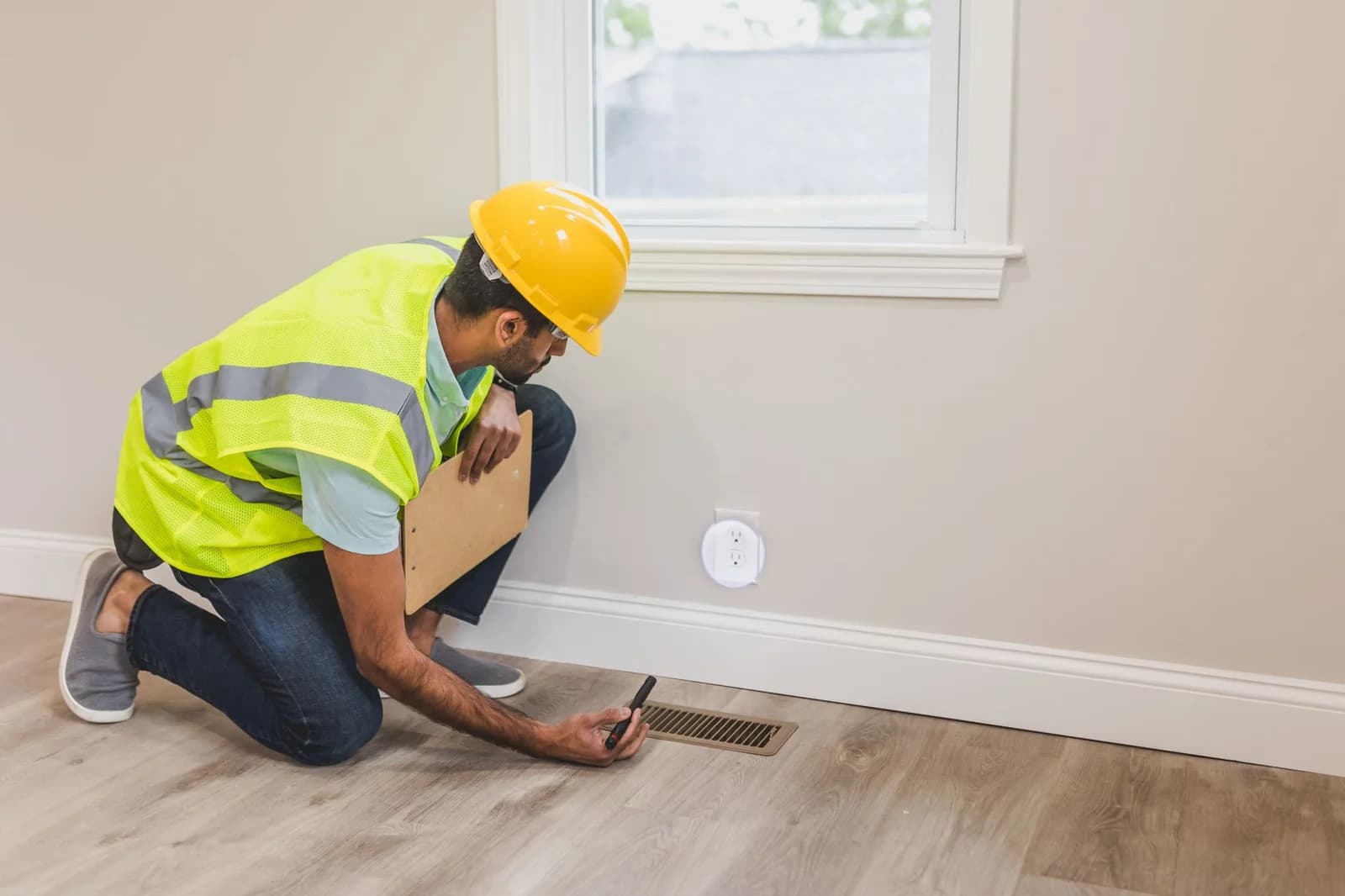
If a property already has ductwork in place, either system can generally run through it, though switching to a heat pump is worth pairing with a quick airflow review since its requirements do not always line up exactly with what an older furnace was designed for. Plenty of the smaller cottages near the canals, along with a number of the modest bungalows further into Oakwood, were never built with any ductwork at all, and for those properties a ductless mini split sidesteps the entire question by not needing ducts run through walls and ceilings that were never meant to hold them.
Electrical Capacity
A heat pump needs adequate electrical capacity, which occasionally means a panel upgrade on older properties with limited service. This is worth assessing well before your planned replacement date, since a panel upgrade adds its own timeline and permitting that is easier to absorb when it is not competing against a failed system you need working immediately.
Outdoor Unit Placement and Salt Exposure
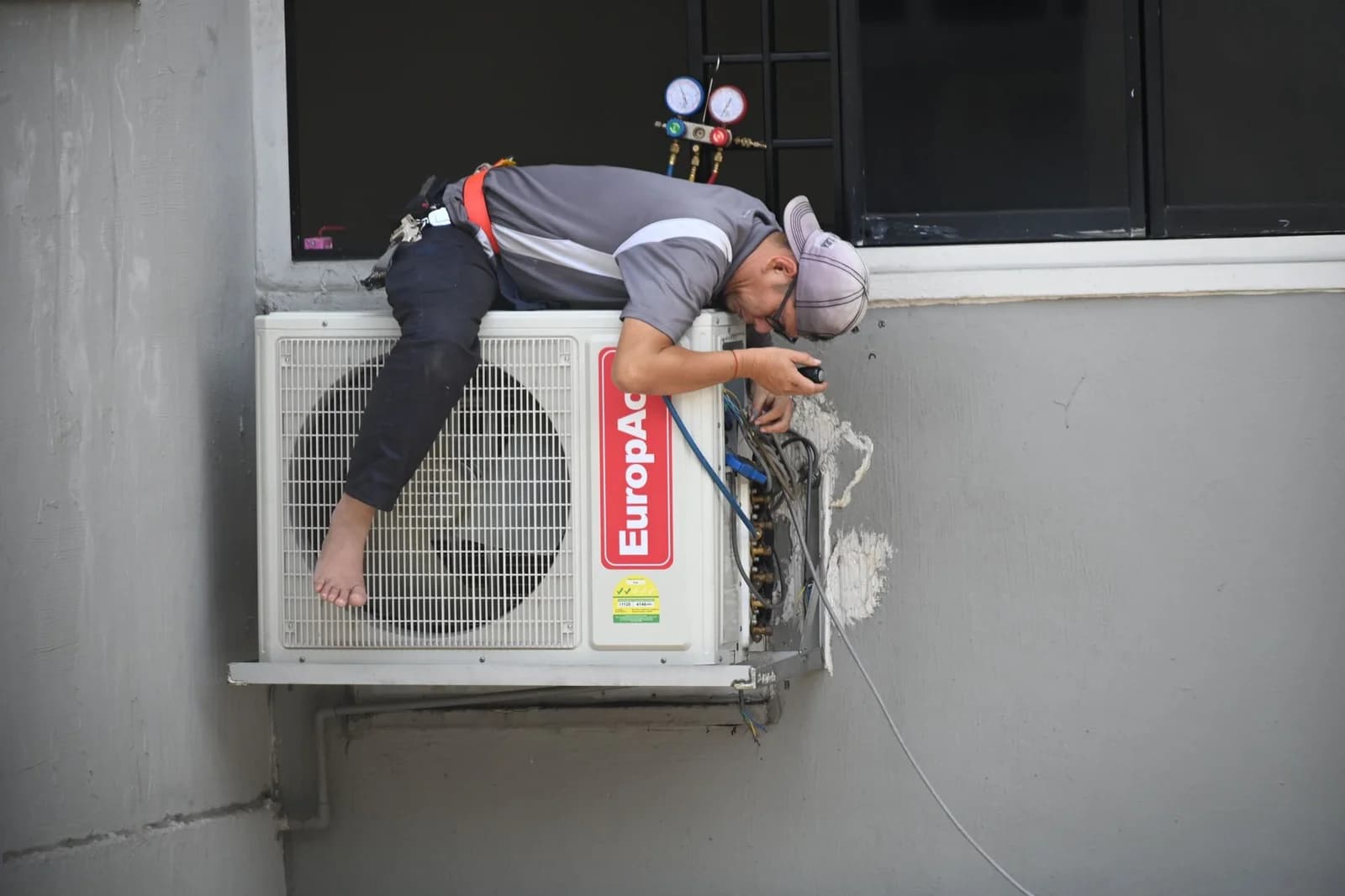
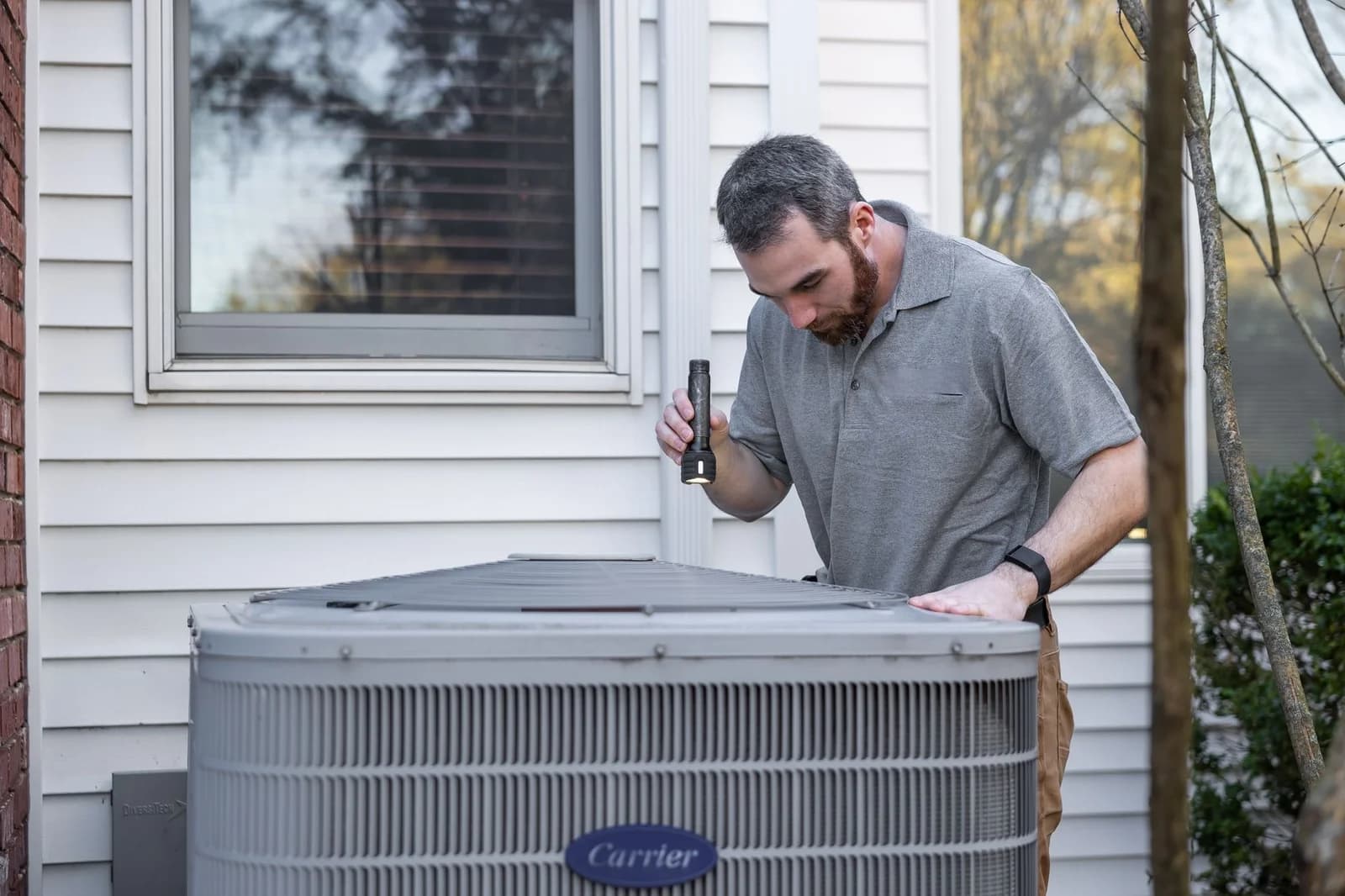
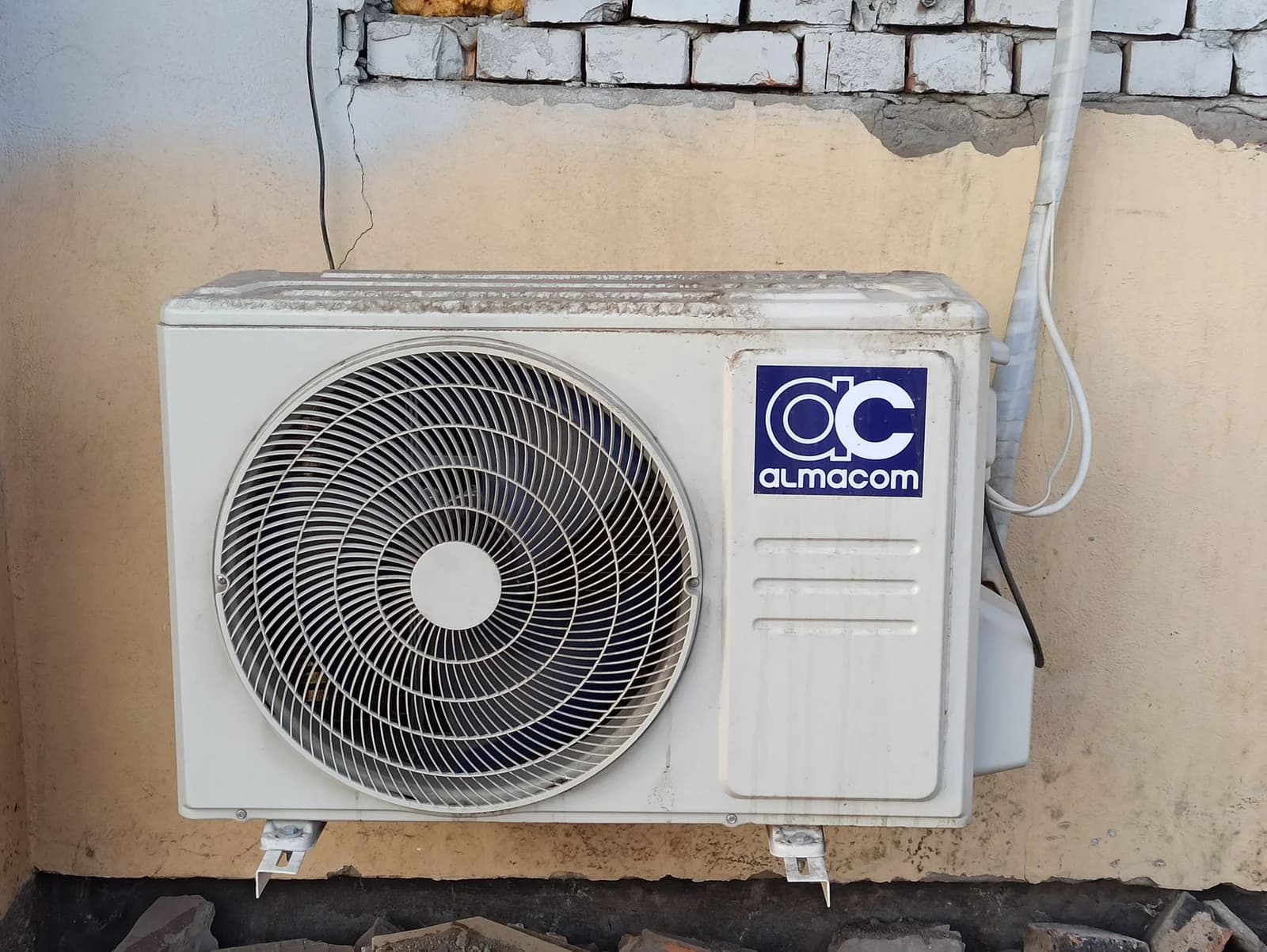
The outdoor half of a heat pump sits outside exposed to exactly the same salt-laden marine air that wears down a standard AC condenser near this coastline, and it does so for more of the year, since it never gets an off-season the way a cooling-only unit does. Choosing coastal-rated equipment up front and keeping a rinse schedule going matters at least as much here as it would for any other outdoor condenser, arguably more given how many months the unit stays active.
Safety and Maintenance Differences Worth Factoring In
Combustion Risk With Gas Furnaces
A gas furnace burns fuel to produce heat, and the byproduct of that combustion has to be vented safely outside the home rather than mixing into the air you breathe. If the metal component separating the combustion side from the air side ever develops a crack, that separation stops working the way it should, which is why furnace tune-ups always test the carbon monoxide detector and check that component directly rather than assuming it is fine because the furnace still starts and runs.
No Combustion Risk With Heat Pumps
A heat pump has no combustion process at all, since it moves heat rather than producing it by burning fuel. For homeowners who want one less safety system to think about, that is a genuine point in its favor, though it does not eliminate the need for regular maintenance.
Different Maintenance Calendars
Gas furnaces need annual burner cleaning, igniter inspection, and heat exchanger checks, typically in fall before heating season. Heat pumps need coil cleaning and refrigerant checks on a twice yearly basis in our climate, once before cooling season and once before heating season, since they carry both jobs.
How This Plays Out Across Different Property Types
A Bungalow With Window Units and an Aging Furnace
A common situation involves an older gas furnace paired with window units doing the cooling separately, an arrangement that predates central air being standard in a lot of Venice housing stock. Consolidating that into a single ducted heat pump system makes sense in a lot of cases, but the timing of that conversion matters as much as the decision itself. Scheduling it in spring gives the new equipment a full stretch of mild weather to settle in and prove itself under real cooling demand before it ever has to carry the household through its first damp winter morning.
A Cottage Without Any Ductwork
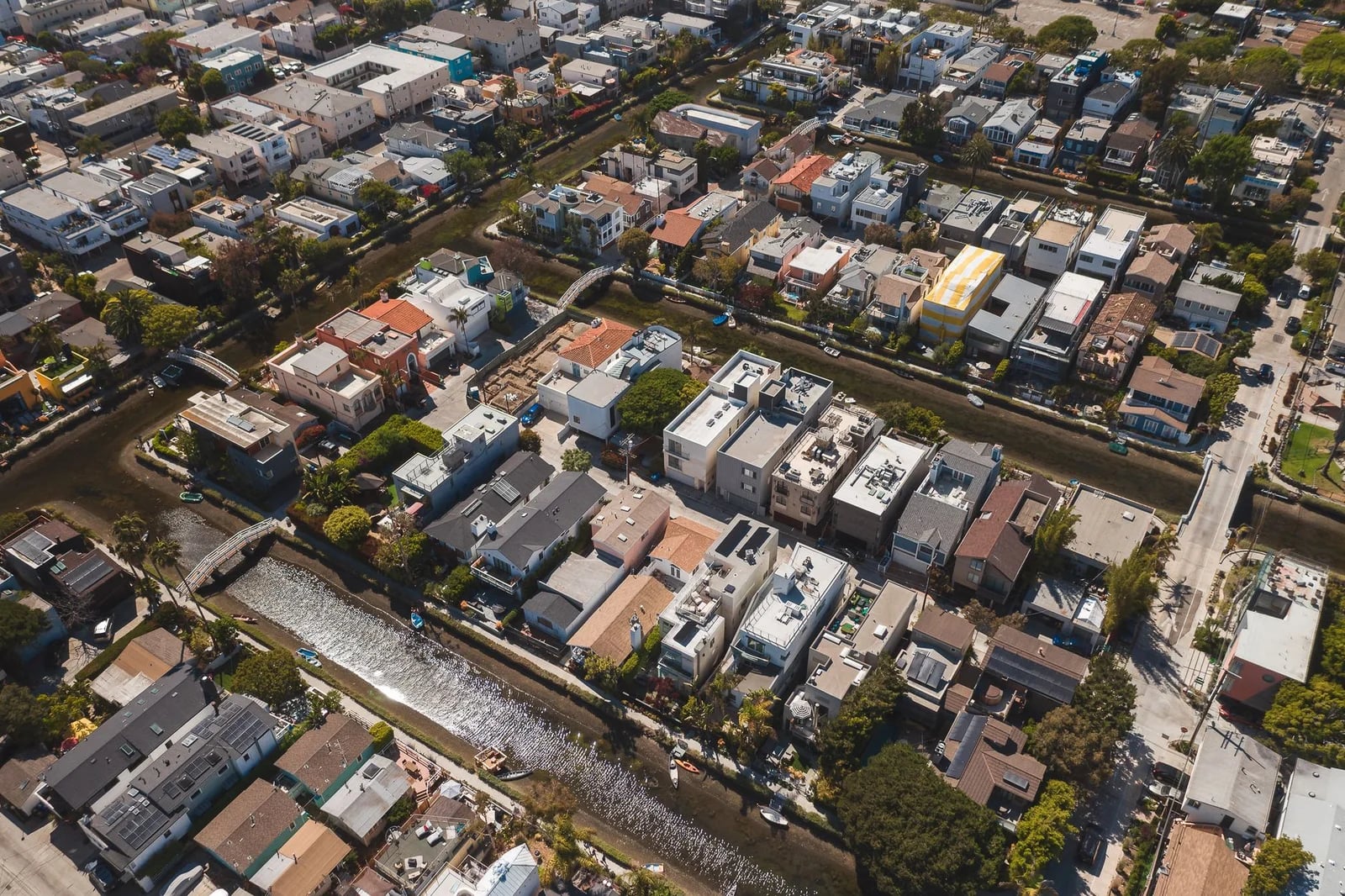
Some of the smaller canal-area properties were never built with ducts at all, which usually points toward a ductless mini split rather than a project that involves cutting into walls and ceilings that were not designed for it. For a property like this, the scheduling question is less about giving the system a season to prove itself and more about avoiding an emergency install. A cold snap that catches an aging wall heater at the end of its life is a bad time to be sourcing and installing new equipment under pressure, so getting ahead of that failure in a slower season buys real flexibility.
A Larger Home With a Furnace That Still Works Fine
Not every situation calls for immediate replacement. A property with a newer gas furnace that is still running reliably often does better with a plan to add heat pump cooling down the line rather than replacing functioning equipment before it needs it. In that scenario, the calendar question becomes about when to schedule the addition, ideally during a slower stretch rather than squeezed in right before a season that will immediately put the new equipment to work without any buffer.
Budgeting Time, Not Just Money, Into the Decision
Most homeowners planning a replacement think carefully about the cost and comparatively little about the calendar, but the two are more connected than they might expect. A rushed decision made during a system failure tends to default to whatever is fastest to install, which is not always the option that fits the property best over the long run. A decision made months ahead of any failure gives you room to actually compare a furnace replacement against a heat pump conversion, get a proper load calculation done for your specific home, and think through questions like ductwork condition or electrical capacity without a broken system pushing you toward the quickest answer. Treating the timeline as part of the decision, not just an afterthought once the equipment choice is made, tends to produce a better outcome on both counts.
Plan the Replacement, Do Not Just React to the Failure
If your current system is aging, the best time to start this conversation is before it fails, not after. Call Venice Breeze HVAC at (877) 359-5942 to talk through both the furnace versus heat pump decision and the timing that fits your household. We serve Venice, Mar Vista, Marina del Rey, Santa Monica, and Culver City.
Need Professional HVAC Service?
Our HVAC-experienced technicians are ready to help with all your AC and heating needs. Contact Venice Breeze HVAC today for expert service throughout the the Westside beach communities service area.